Company News
Updates from HelloTwin
Launch Event
HelloTwin Launch, live from the Silicon Valley AI Hub
Join us in person and online as we unveil the semantic operating system for SMEs.
June 24, 2026 · Live Event · 9:00am–11:00am PST
Register Now
Milestone
We are excited to announce that HelloTwin.ai has officially been accepted to Snowflake’s Startup Accelerator.
Milestone
Top 10 Snowflake Startup Challenge semi-finalist
HelloTwin.ai has advanced to the top 10 semi-finals in the Snowflake Startup Challenge, building on the AI Data Cloud. Excited to disrupt the semantic operating system space for SMEs.
Founder Posts
Insights from our founders
Goals
Why goals get lost
Eight out of nine engineers said their company’s goals don’t work — goals arrive from the top, sound impressive, and quietly disappear. The problem is never too few goals; it’s that no goal is truly shared and no one truly owns it. A Digital Authority holds the one number the whole company cares about and keeps every team working toward it. Agents do the work. But work isn’t ownership.
Accountability
An agent does the task. A Twin owns the result.
An agent that does the task is the easy part. Something accountable for the result is the hard part. You don’t hire ten people and let them all do whatever they want, you hire a head who owns a number, decides what to do, delegates the work, and answers for the result. That is what a Twin is: not another agent to manage, but a digital authority that owns the outcome, revenue, retention, the metrics you report on.
Metrics
Self-service metrics need a governed ontology
The bottleneck in analytics is not data access, it’s translating business meaning into technical implementation. With a governed ontology of objects, relationships, time anchors, and base measures, operators define metrics from meaning instead of raw tables. The future is self-service metric definition on top of governed business meaning, not more dashboards.
Maturity
An AI maturity framework for mid-market B2B
Big-vendor maturity models miss mid-market reality. A five-stage path runs from ad-hoc use to a semantic operating system. The hardest jump, from managed processes to authorized actions, is a meaning and authority problem, not a tooling one. Skip it and you get agent sprawl instead of an operating system.
Versioning
We versioned code 50 years ago. It’s time to version meaning.
A metric is a contract, not a label — yet enterprises let definitions change silently while AI embeds them invisibly in prompts. The fix: immutable semantic snapshots with version IDs and effective dates, so every agent action stays anchored to the meaning it was built on.
Foundation
Why businesses need a Semantic Operating System
AI agents execute tasks well, but businesses need a Semantic Operating System that ties agent work to outcomes — measuring progress against revenue, margin, and cycle time instead of task completion, and intelligently allocating work between agents and humans where performance gaps are widest.
Authority
From copilots to digital authorities
A CIO won’t trust an agent with a $500 decision — and better prompts won’t fix that. The next era of enterprise AI isn’t about clever copilots; it’s about governed digital authorities that decide within explicit, versioned constraints.
Security
Agent vs. compiler architectures
Enterprise AI security doesn’t come from smarter models with stronger guardrails. It comes from architectures where intelligence never controls meaning or execution directly.
Runtime
Enterprise AI needs a business runtime
AI strategies fail not because models are dumb, but because companies lack a unified operational layer. The Business Runtime is the missing foundation for scaling autonomous AI safely.
Governance
From human-run agents to digital authorities
Enterprise AI is shifting from humans managing individual agents to digital authorities operating within explicit boundaries. Governance moves upstream, execution becomes autonomous.
Semantic OS
From prompts to semantic operating systems
The Context Layer matters, but a Semantic Operating System is the destination. Humans delegate outcomes instead of managing tools, and AI operates as trusted business infrastructure.
Architecture
Autonomous businesses need an operating model
Cognition alone isn’t enough. A Semantic Operating System has four functions: understanding via digital twin, decision-making via Twins, secure control, and skilled execution.
Infrastructure
Semantic infrastructure beats file systems
Storing data as files with AI-inferred structure is appealing but fragile. Companies need durable, shared semantic definitions of entities like Customer and Deal to avoid conflicting realities.
Strategy
Semantic operating systems flatten the org
Most corporate work is translation between departments with misaligned definitions. Shared executable business models eliminate coordination overhead, like ERP did for the back office.
Ontology
Semantic digital twins make ontologies executable
Ontologies give shared vocabulary. SDTs operationalize it: binding to real instances, time-awareness, governance, and safe action interfaces. Executable meaning, not just grounding.
Governance
Enterprise AI needs governance below intelligence
Enterprises are rapidly building agents but neglecting the governance infrastructure beneath them. Three layers matter: Meaning, Authority, and Intelligence.
Agents
Long-horizon agents need semantic digital twins
As agents operate over longer timeframes, they need stable definitions, explicit metrics, and versioned meaning. Without this, agents accumulate silent semantic drift.
Foundation
Business glossary is the foundation
Without a shared business glossary defining canonical metrics, terms, and ownership, AI amplifies organizational fragmentation instead of unifying it.
Strategy
Enterprise AI splits: context vs. meaning
OpenAI prioritizes velocity and context-aware agents. Palantir prioritizes governance and semantic meaning. For trustworthy enterprise AI, meaning constrains context, not the other way around.
Context
Context layer matters for agentic AI
Agentic AI success depends on where context becomes explicit at decision time. A Semantic Digital Twin externalizes business meaning so agents execute against governed contracts.
Governance
Enterprise AI needs governance, not just autonomy
The real challenge isn’t building more powerful agents. It’s establishing clear decision authority, fixed metrics, and auditable processes so decisions stay owned and accountable.
Digital Twin
Two types of digital twins
Process Mining Digital Twins are bottom-up and process-centric. Semantic Digital Twins are top-down and value-centric. Which does your organization need, or both?
Architecture
Semantic digital twins come first
The hype around Context Graphs is misframed. SDTs establish what exists, what’s measured, what’s allowed. Context Graphs layer on top for what-if analysis.
Stack
The modern context stack
Move beyond traditional data stacks. The Modern Context Stack builds a semantic digital twin across five layers: data, semantic, ontology, state, and decision.
Vision
Semantic digital twins will define 2026
SDTs use ontologies and context graphs to model business behavior in machine-understandable ways. They are ready to deploy today and will be crucial infrastructure for enterprise AI.
Ontology
Ontology + context graphs = digital twin
A complete semantic digital twin needs ontology (normative rules) and context graphs (empirical records). Together they enable explainable, auditable enterprise AI reasoning.
Analytics
Ontologies beat similarity for AI analytics
AI analytics fails because of missing semantic meaning, not weak models. Correctness doesn’t come from smarter guessing. It comes from removing degrees of freedom.
Agents
Digital twins enable reliable AI agents
AI agents need structured decision support to operate effectively. Digital twins give agents live operational data, simulation, embedded business logic, and predictive feedback.
Enterprise AI
Digital twin: a live semantic model of your organization
LLMs and agents need more than API access to enterprise data. They need a semantic middleware stack (data, semantic, ontology, and temporal layers) that together form a Digital Twin.
Podcast
Twin Signals: Metrics at Work
Metrics are all about meaning, not just data. Conversations with founders and operators about how metrics are designed, debated, trusted, and used to make decisions in the AI era. Follow the series on LinkedIn →
Episode 8
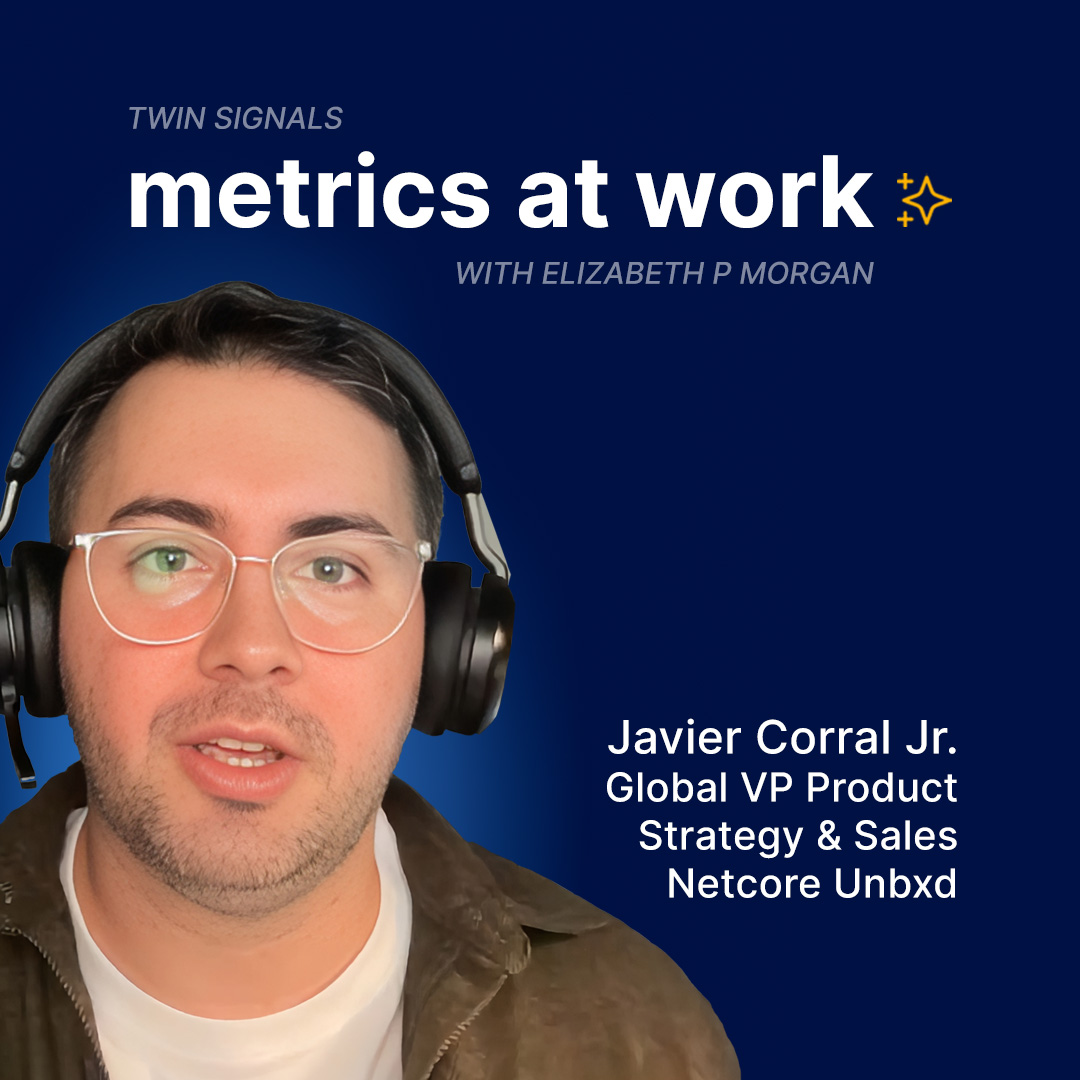
Speed to Insight
A conversation with Javier Corral Jr., Global VP of Product Strategy and Sales at Netcore Unbxd, on the challenge of understanding shopper intent in real time and his concept of Speed to Insight: how quickly a business can infer what a shopper wants and adapt the experience before the opportunity is lost. We explore personalization signals, multi-arm bandit testing, and the emerging vision of agentic commerce.
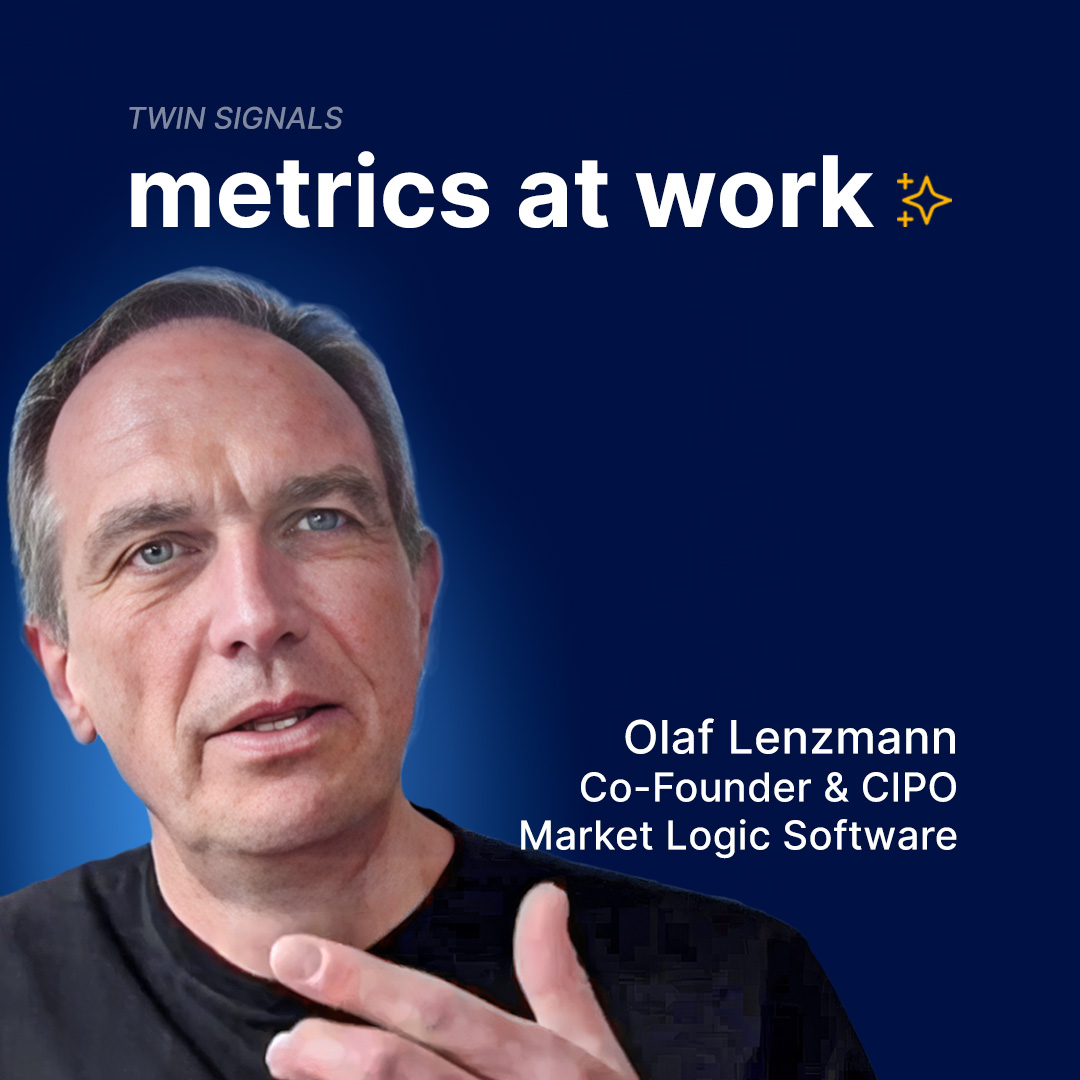
Episode 7
Measuring AI value vs measuring AI activity
A conversation with Olaf Lenzmann, Co-Founder & CIPO at Market Logic Software, on why clicks, searches, and session time fail to capture whether users found what they needed — and how to measure AI value through knowledge activation and reuse rather than activity.
Episode 6
Counting partners vs creating impact
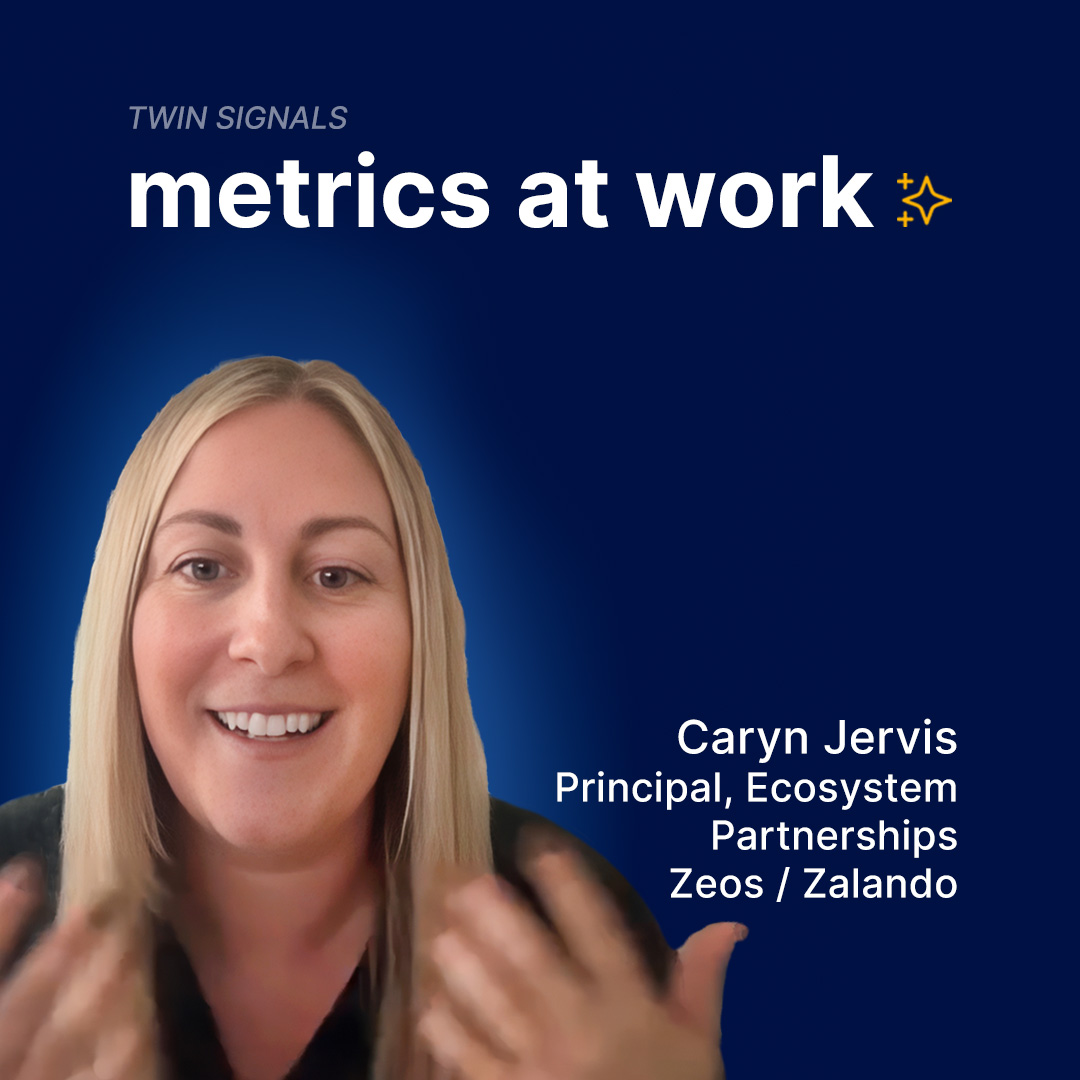
A conversation with Caryn Jervis, Principal Ecosystem Partnerships at Zeos / Zalando, on why partner count is the wrong metric — and how to shift from measuring activity to measuring the real business impact of ecosystem relationships.
Episode 5
Metrics, focus, and control
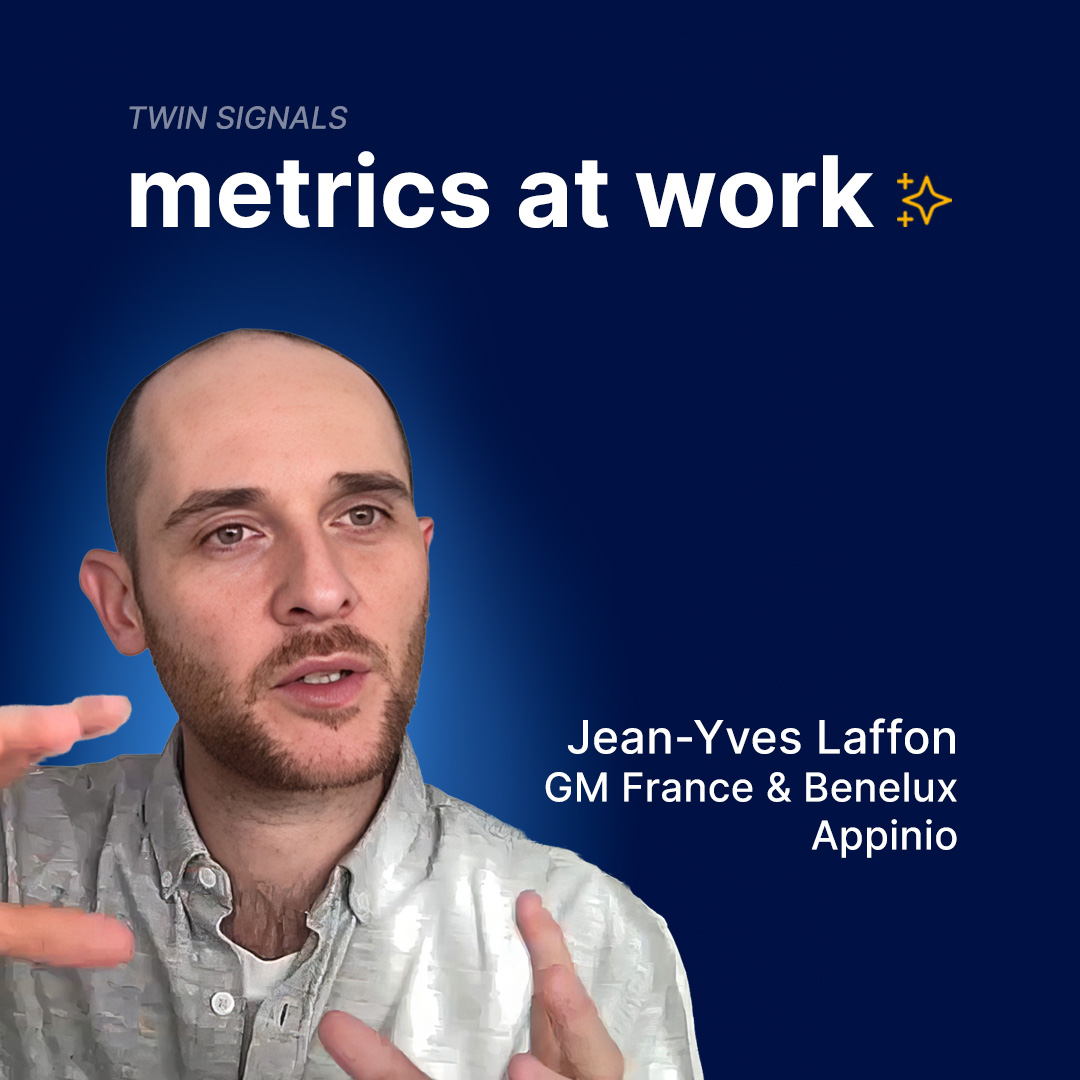
A conversation with Jean-Yves Laffon, GM France & Benelux at Appinio, on how the best operators use metrics not just to measure performance, but to focus attention and maintain control — and why the discipline of choosing the right few metrics matters more than tracking everything.
Episode 4
From pipeline to trajectory
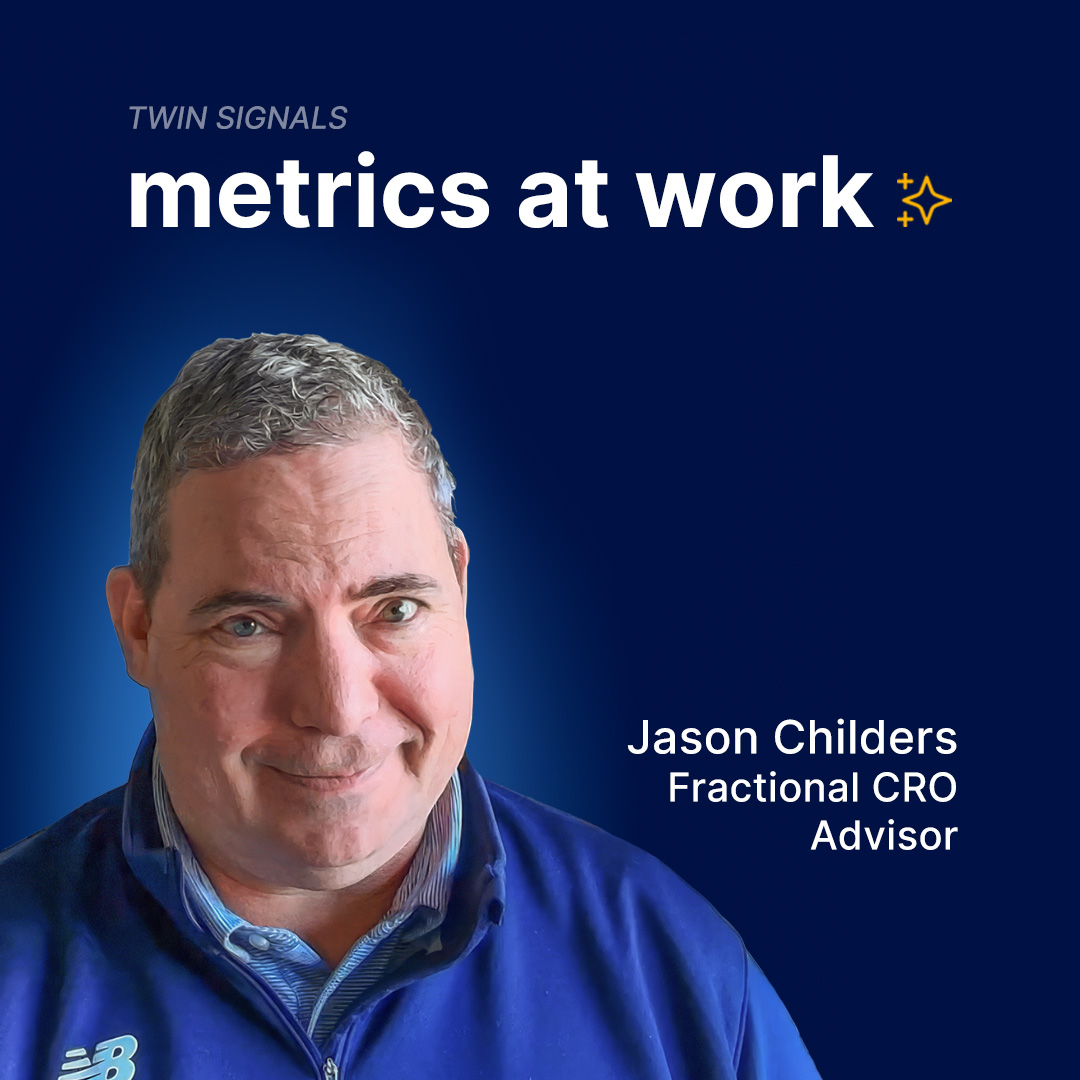
A conversation with Jason Childers, Fractional CRO, on why sales velocity is a composite metric — and how breaking pipeline into its components reveals the trajectory, momentum, and dynamics underneath the numbers.
Episode 3
When output becomes cheap, outcomes become everything
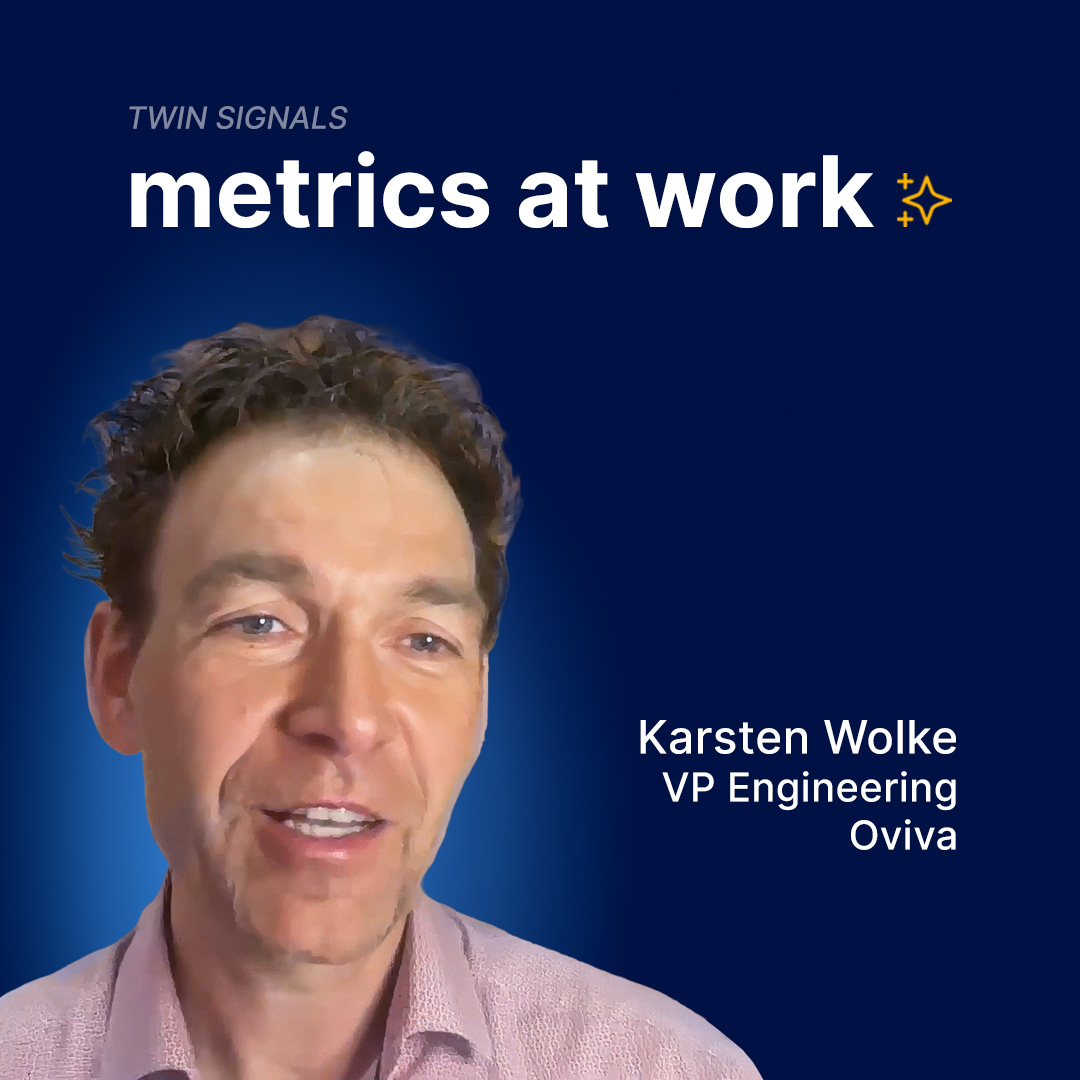
A conversation with Karsten Wolke, VP Engineering at Oviva, on why traditional engineering metrics are breaking down in the AI era — and how to shift from measuring output to measuring real user and business impact.
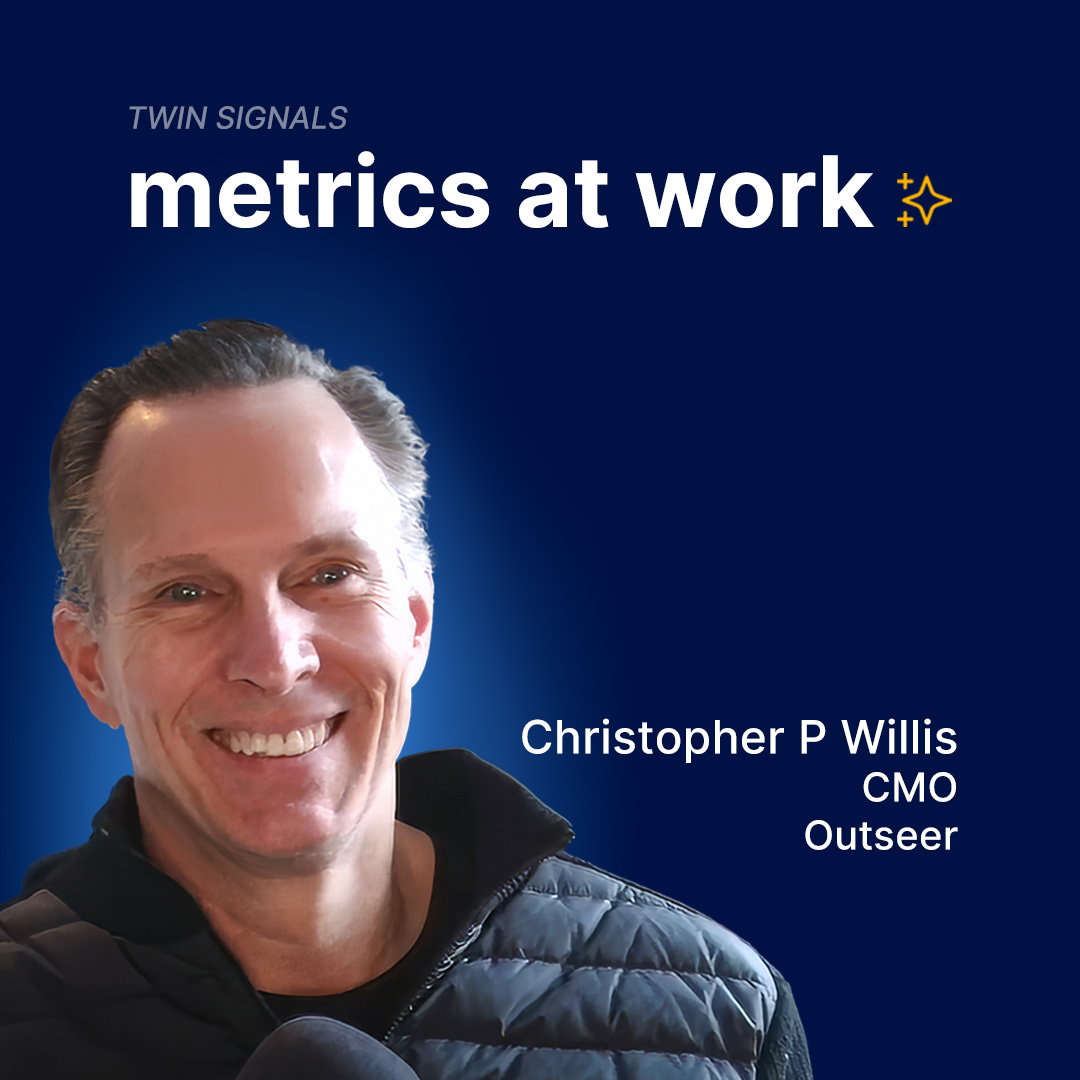
Episode 2
The luxury of a common language
A conversation with Christopher P. Willis, CMO at Outseer, on why pipeline is a shared revenue execution system — not a set of separate marketing and sales metrics.
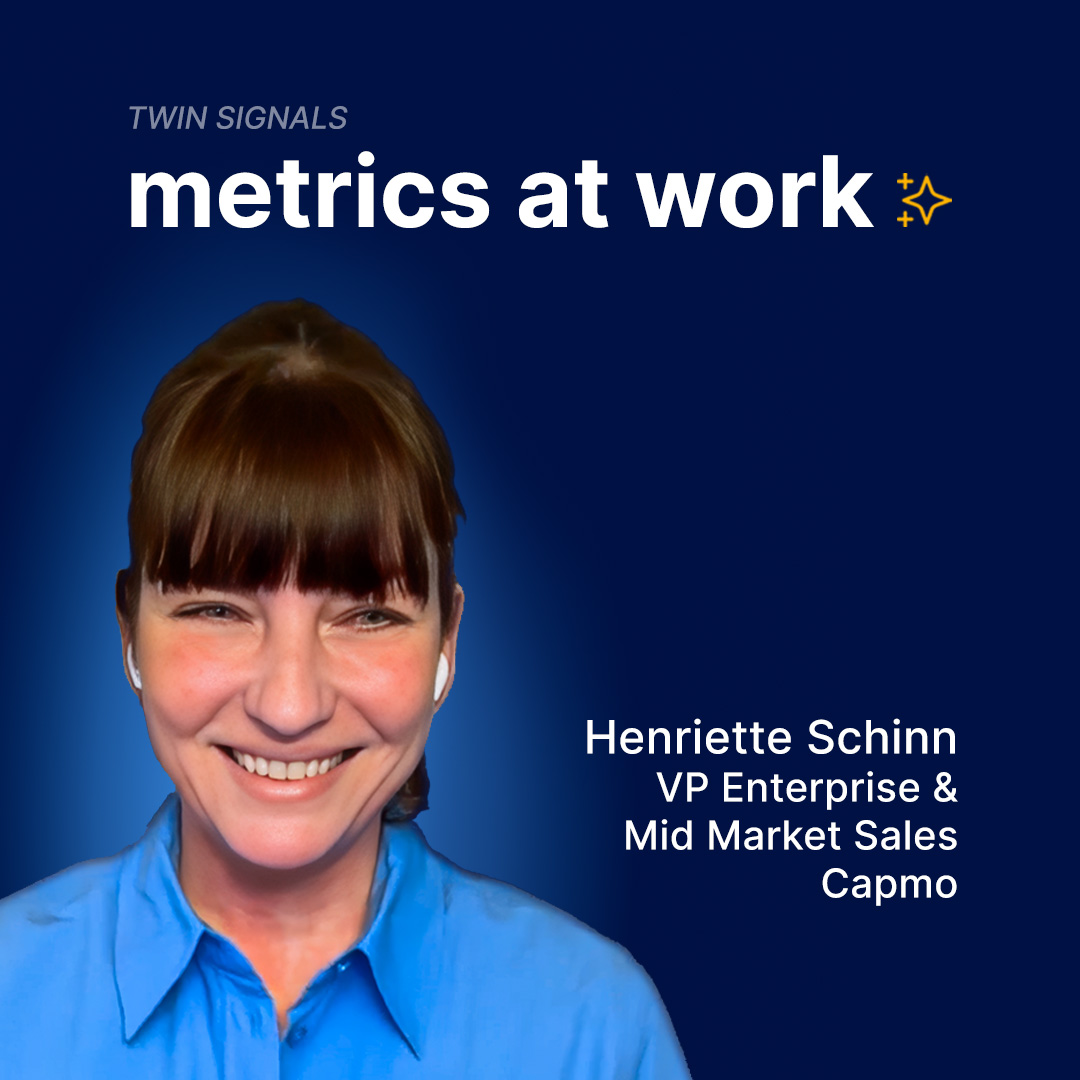
Episode 1
The problem isn’t data — it’s meaning
A conversation with Henriette Schinn on why the real bottleneck in enterprise AI isn’t access to data — it’s the lack of shared meaning around it.